
Public
A government school, registered with the Ministry of Education and sponsored by the central government through the District Education Board.
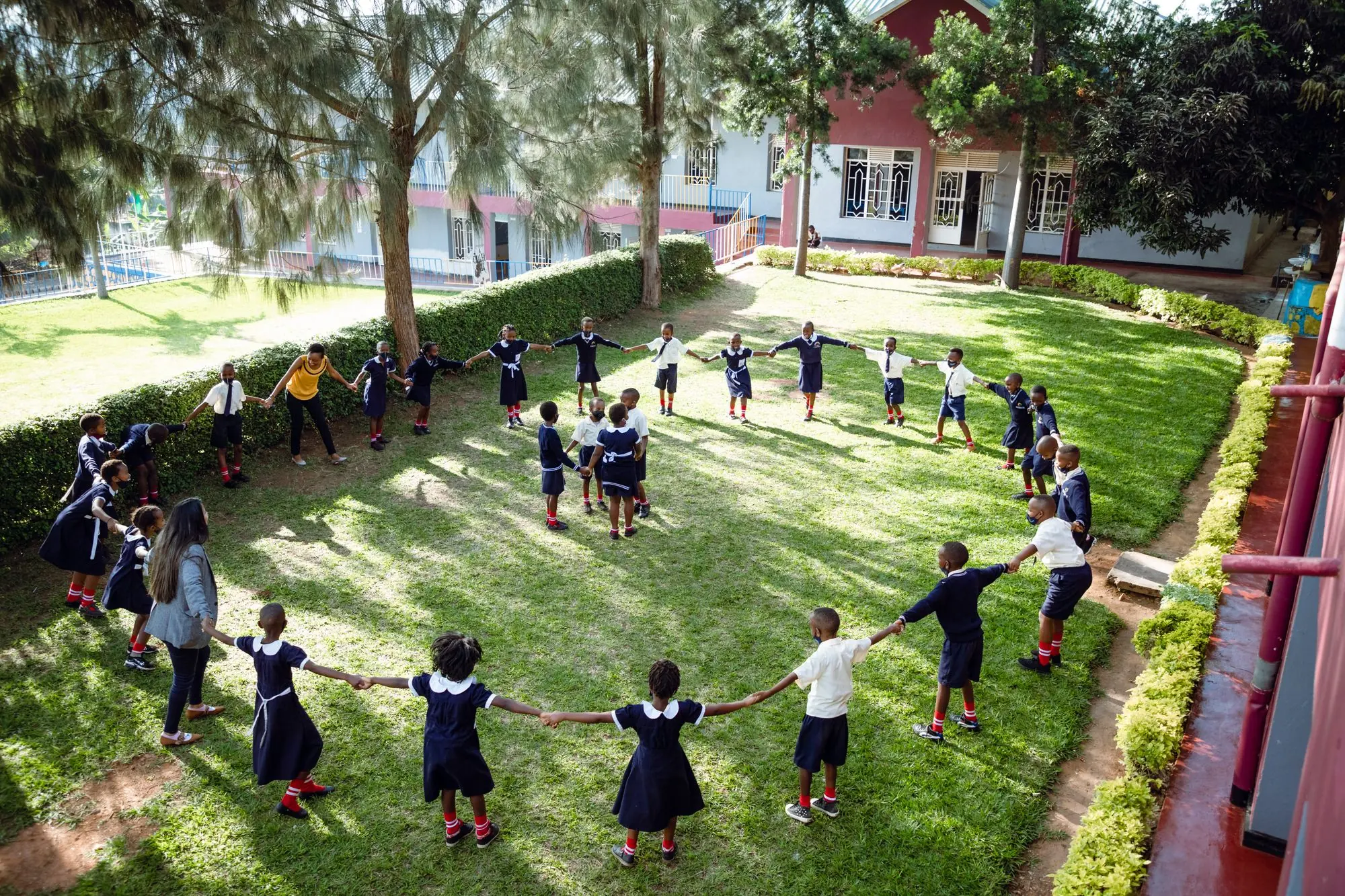
Our school
Madaraka Primary is a public day school on Keri Road. It was built with the estate around it and it has been teaching the estate's children ever since.
The plain facts
Nothing here is unusual, and that is rather the point. Madaraka is an ordinary Kenyan public primary school, which is to say it is the kind of school most children in this country actually attend.
A government school, registered with the Ministry of Education and sponsored by the central government through the District Education Board.
Boys and girls in the same classrooms. There is no boarding — every learner goes home at the end of the day.
There is no tuition fee and no fee structure. Free primary education is national policy and this school runs on it.
Registered to run national assessments, so our learners sit them here rather than travelling to another school.
How we got here
Madaraka Estate opens on 1 June — Madaraka Day — built by the City Council of Nairobi on forty-five acres off Lang'ata Road, with a loan from the National Housing Corporation. Six hundred families move in.
The school is built to serve them: a two-storey concrete block under iron sheets, on Keri Road, in the middle of the estate.
Madaraka heads the schedule of schools joined to KENET's Nairobi Schools Fibre Connectivity Project — the first name on the list.
Renovation works run through the constituency development fund, announced by the sitting Member of Parliament for Lang'ata.
Junior school arrives. Grade 7 enters primary schools across the country, and Kenyan primaries become nine-year schools.
A full renovation and a new administration block, again through the constituency fund and again announced publicly by the sitting MP.
The first Competency-Based cohort leaves junior school for senior school, and the old 8-4-4 examination is behind us for good.
The staff
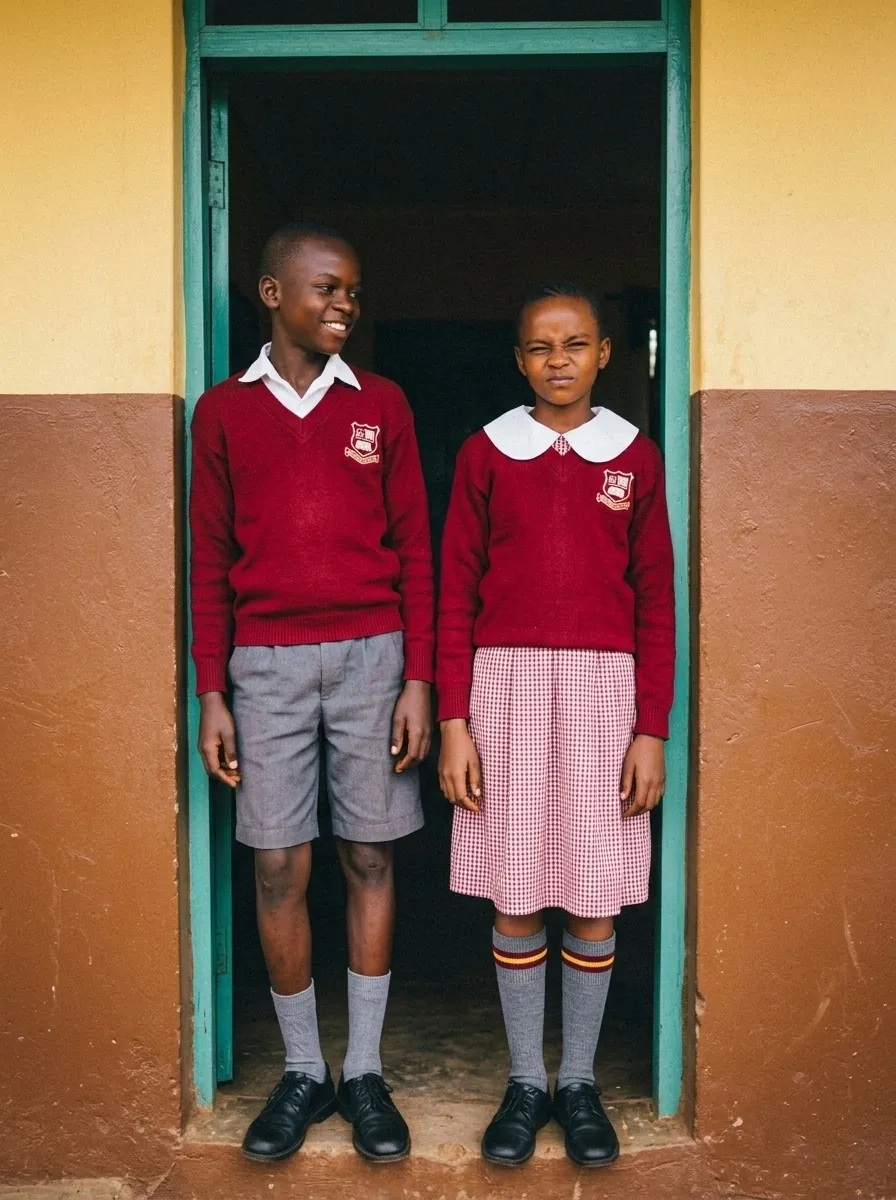
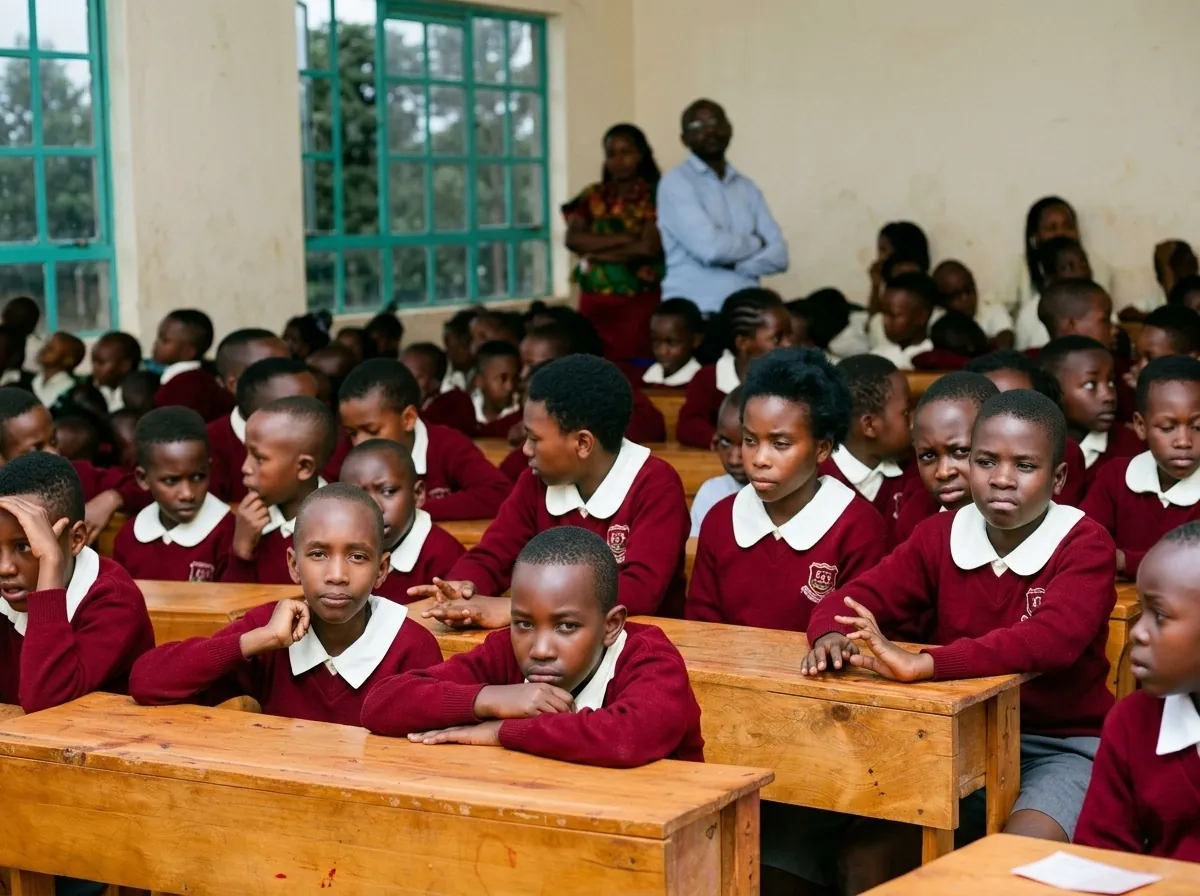
Every teacher here is trained and employed by the Teachers Service Commission — the national body that registers, posts and pays Kenya's teachers. It means a qualified professional in front of every class and a national standard behind every one of them.
The school is run with a Board of Management and an active parents' association. Both are how a public school is actually governed: the Board carries the school's decisions and the parents' association carries the parents' voice into them.
What we are for
A school can say anything it likes about its values. These are the three we would want a parent to hold us to, because they are the ones that are actually checkable.
Not the top stream taught and the rest supervised. A class of fifty is a hard place to be the quiet child in, and noticing that is the job.
No tuition, no fee structure, and no charge dressed up as a contribution. Where a real cost exists — uniform, lunch — we say what it is.
A question asked at the gate gets a real answer, from a person, the same week. That is what the assistant on this site is for as well.
Where we sit
Madaraka Estate sits about five kilometres from the city centre, on Lang'ata Road, with Nyayo National Stadium at one end and Nairobi West at the other. Strathmore University is on Ole Sangale Road, two streets away. The children who walk to this school walk past a university on the way.
We are on Keri Road, inside the estate rather than on the highway — which is the right side of the traffic for a school, and the reason most of our learners arrive on foot.
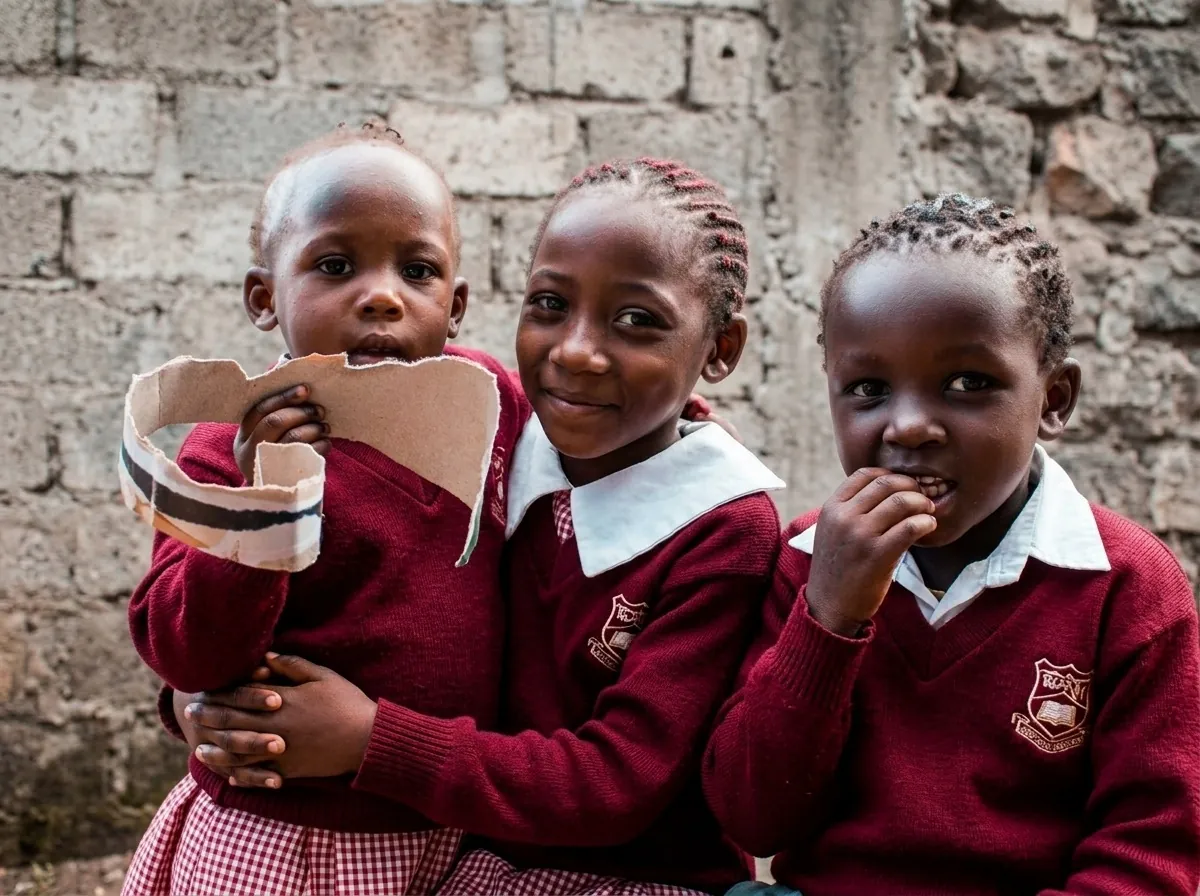
Ask the school
The assistant answers from the school's own records, and takes your number for the office when it cannot help.
The chat has not loaded. If you are running this demo locally, start the KAVRYN server first — see the README in this folder.