
Grade 6 counts
KPSEA is not a rehearsal. A fifth of the score that places a child in senior school is earned at eleven or twelve years old.

Learning
Kenya changed its curriculum, and it changed what a primary school is. This page is the whole path from Grade 1 to Grade 9, written for a parent who has not been asked to learn a new system and now has to.
The path
Under Competency-Based Education a child does six years of primary and three of junior school — and junior school sits inside the primary school rather than somewhere else. Nine years on one compound, with the same people.
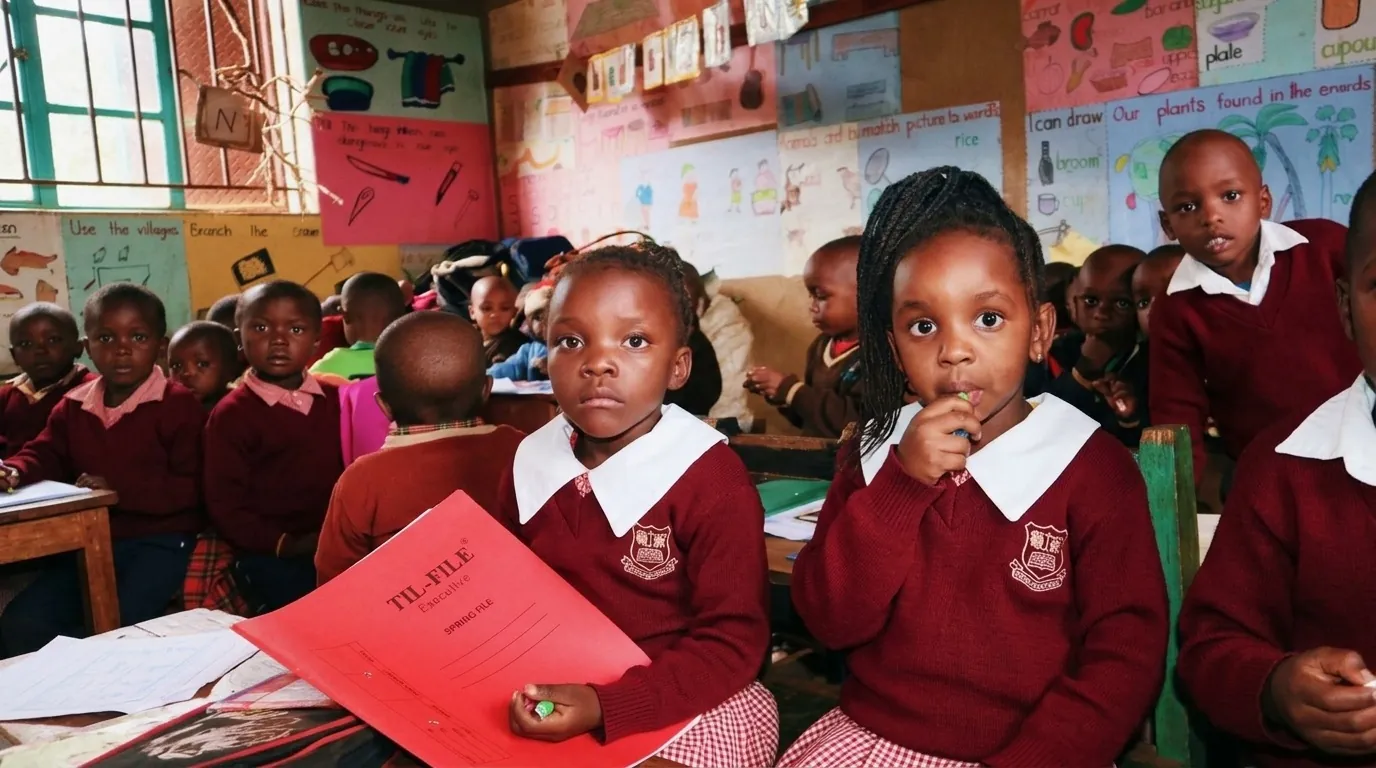
Reading, number, and the habit of school. Literacy in English and Kiswahili, mathematics, environmental activities, religious education, and creative arts and movement — much of it taught through play and doing rather than dictation.
Subjects separate out and the work gets formal: mathematics, English, Kiswahili, science and technology, social studies, agriculture, creative arts and religious education.
KPSEA at Grade 6Nine learning areas, the same for every learner in the country. No pathway choices yet — that decision is deliberately held back to Grade 10 — and a lighter week than before, at thirty-five lessons.
KJSEA at Grade 9Learners leave us for a senior school, placed on their Grade 9 result into one of four clusters, and choose a pathway: STEM, Social Sciences, or Arts & Sports Science.
Junior school
In 2024 the junior school curriculum was rationalised — subjects were merged, and the week came down from forty lessons to thirty-five. This is what a Grade 7, 8 or 9 learner now carries.
| Learning area | What it covers |
|---|---|
| English | Reading closely, writing clearly, and being able to hold a position in an argument. |
| Kiswahilior Kenyan Sign Language | Lugha, fasihi na uandishi — the national language as a subject in its own right, not a translation exercise. |
| Mathematics | Number, algebra, measurement, geometry and data — the spine of everything on the STEM pathway later. |
| Integrated Science | Biology, chemistry and physics taught as one thing at this stage, with practical work rather than dictated notes. |
| Social Studies | History, geography, citizenship and life skills, merged into a single area in the 2024 rationalisation. |
| Pre-Technical Studies | Drawing, making, basic business and the digital literacy that used to sit on its own. |
| Agriculture & Nutrition | Growing food and cooking it. Both are assessed partly by a project rather than by a paper. |
| Creative Arts & Sports | Visual art, music, drama and games, merged into one integrated area and carrying a project component. |
| Religious Education | Christian, Islamic or Hindu religious education, taken according to the family's own tradition. |
Assessment
This is the change most worth understanding, because it changes how a family should think about the whole nine years. The final placement score is built from three things, and two of them are earned long before the last week.
| KJSEA, end of Grade 9 | 60% |
|---|---|
| KPSEA, end of Grade 6 | 20% |
| School-based assessment, Grades 7 to 9 | 20% |
KPSEA is not a rehearsal. A fifth of the score that places a child in senior school is earned at eleven or twelve years old.
School-based assessment is another fifth, and it is built from work done across three years. There is no cramming your way past it.
Each of the nine areas is scored out of eight — seventy-two in total — and reported as an achievement level, from Below Expectation up to Exceeding Expectation.
Technology
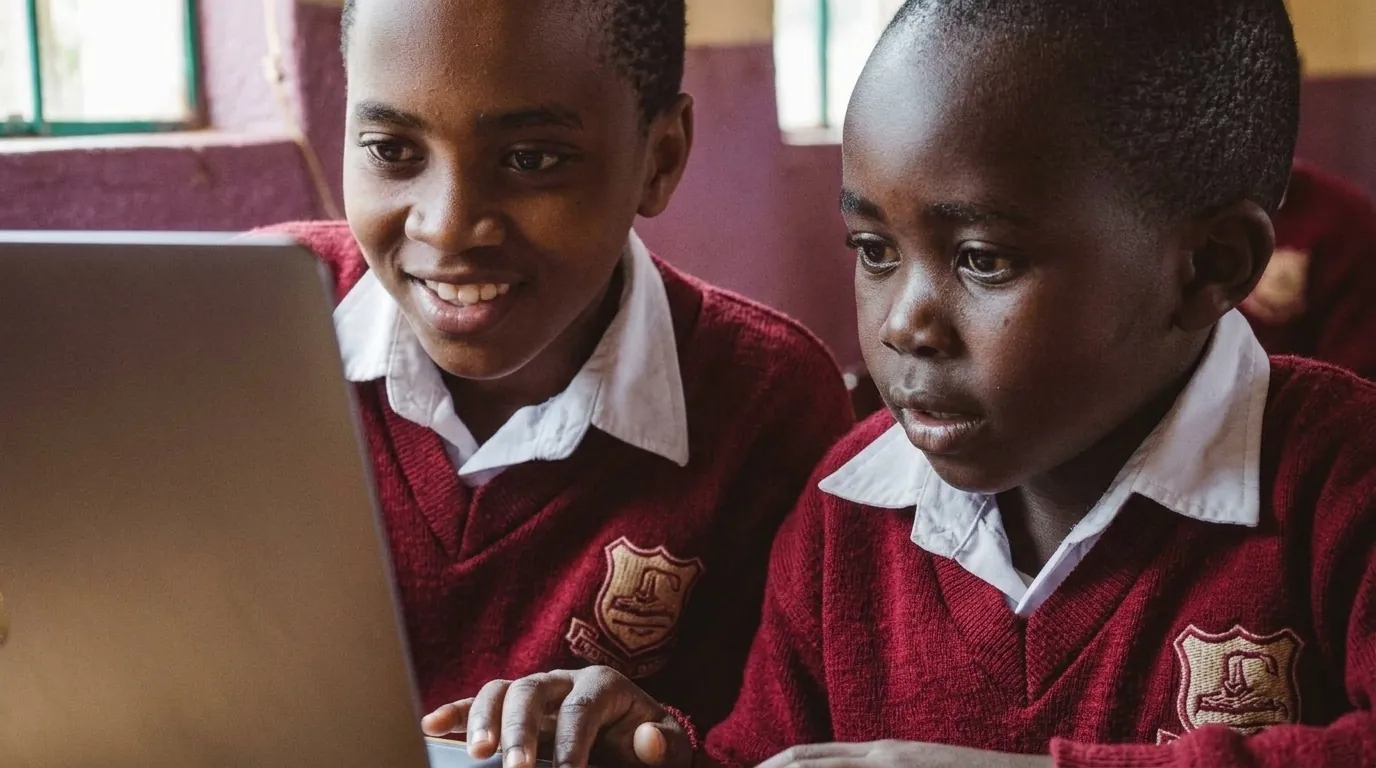
Madaraka heads the published schedule of schools joined to KENET's Nairobi Schools Fibre Connectivity Project — the first name on the list. Digital work now sits inside Pre-Technical Studies rather than off to one side, which means every junior school learner does it, not only the ones who chose to.
The schedule is not dated to this year, so what the connection supports today is a question for the office rather than something this page should assert.
Beyond the desk
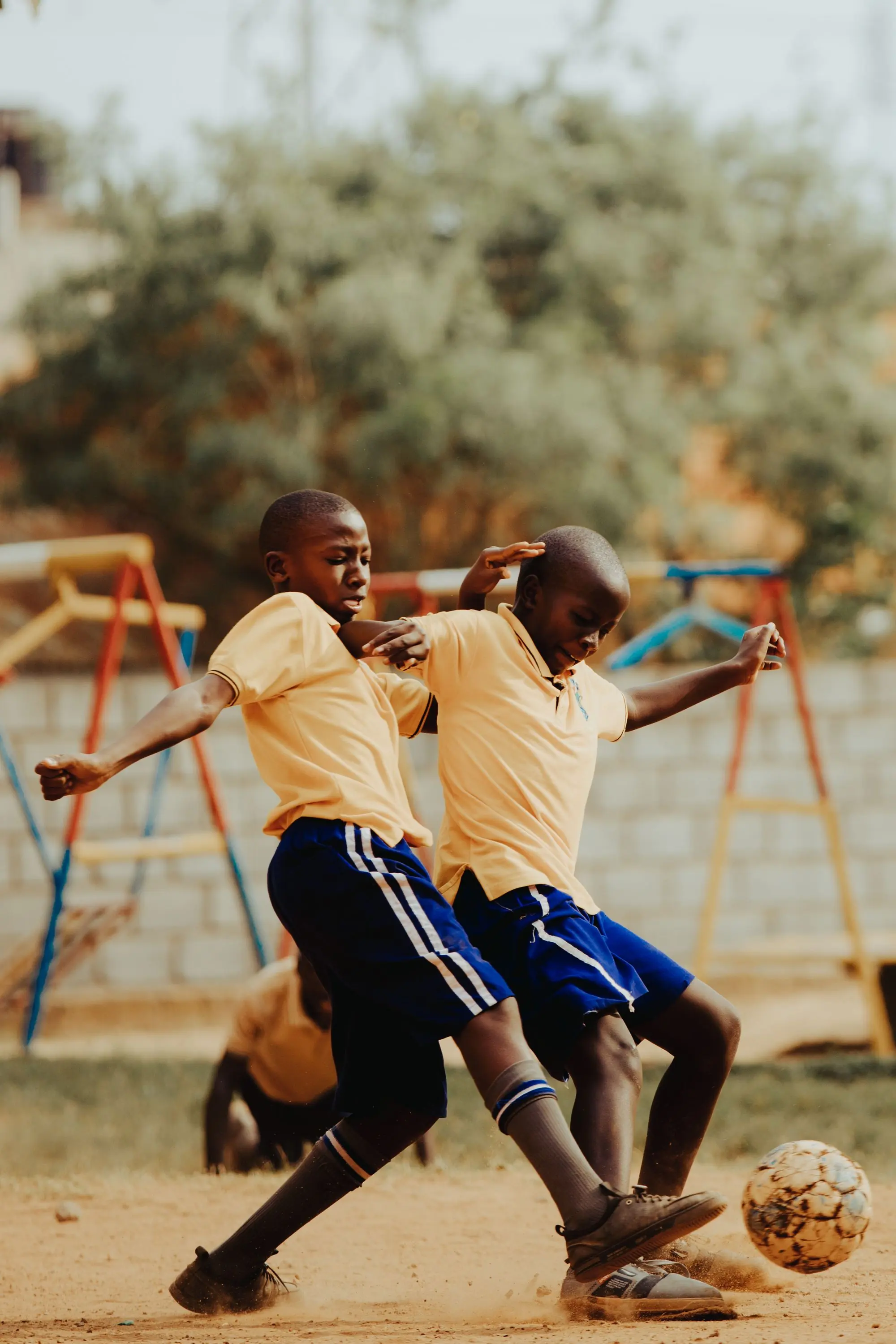
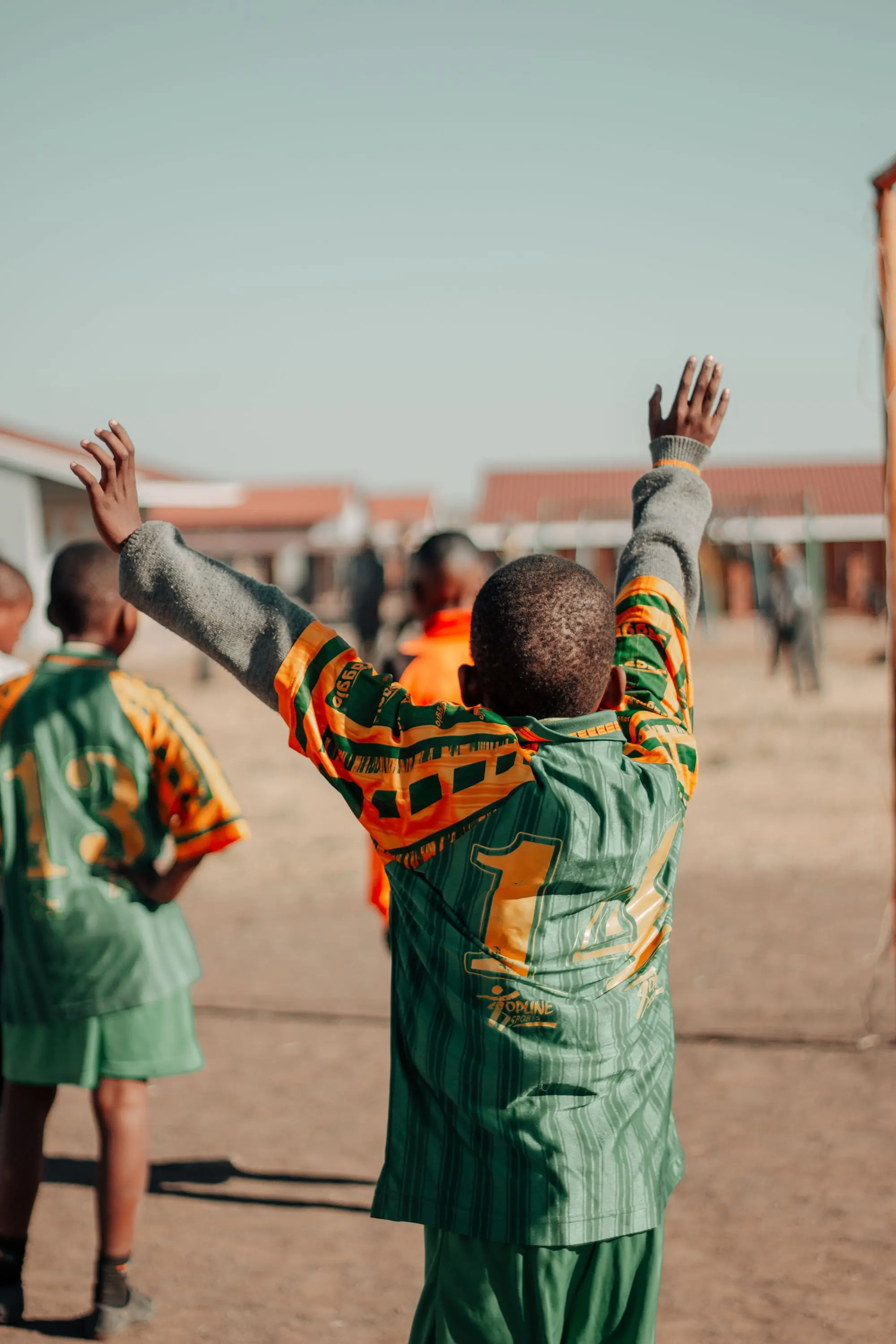
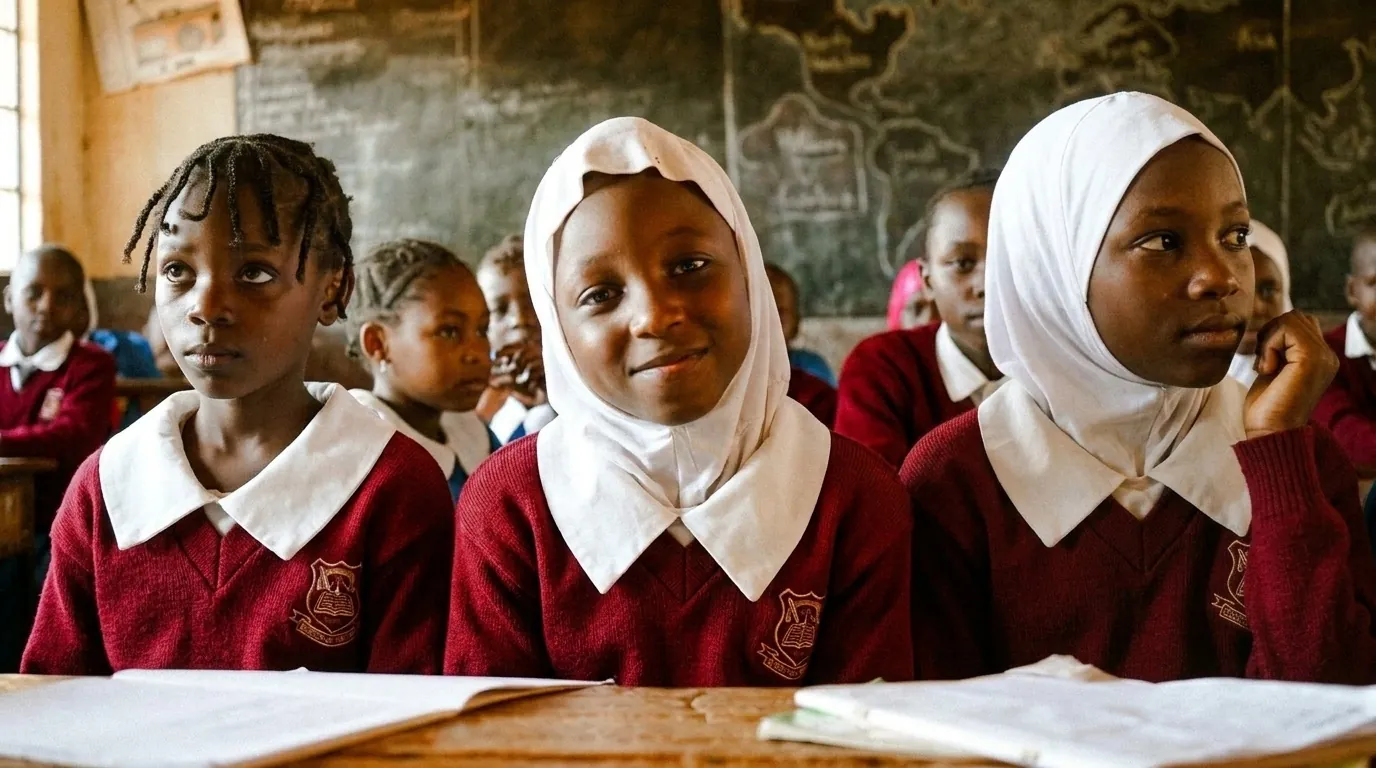
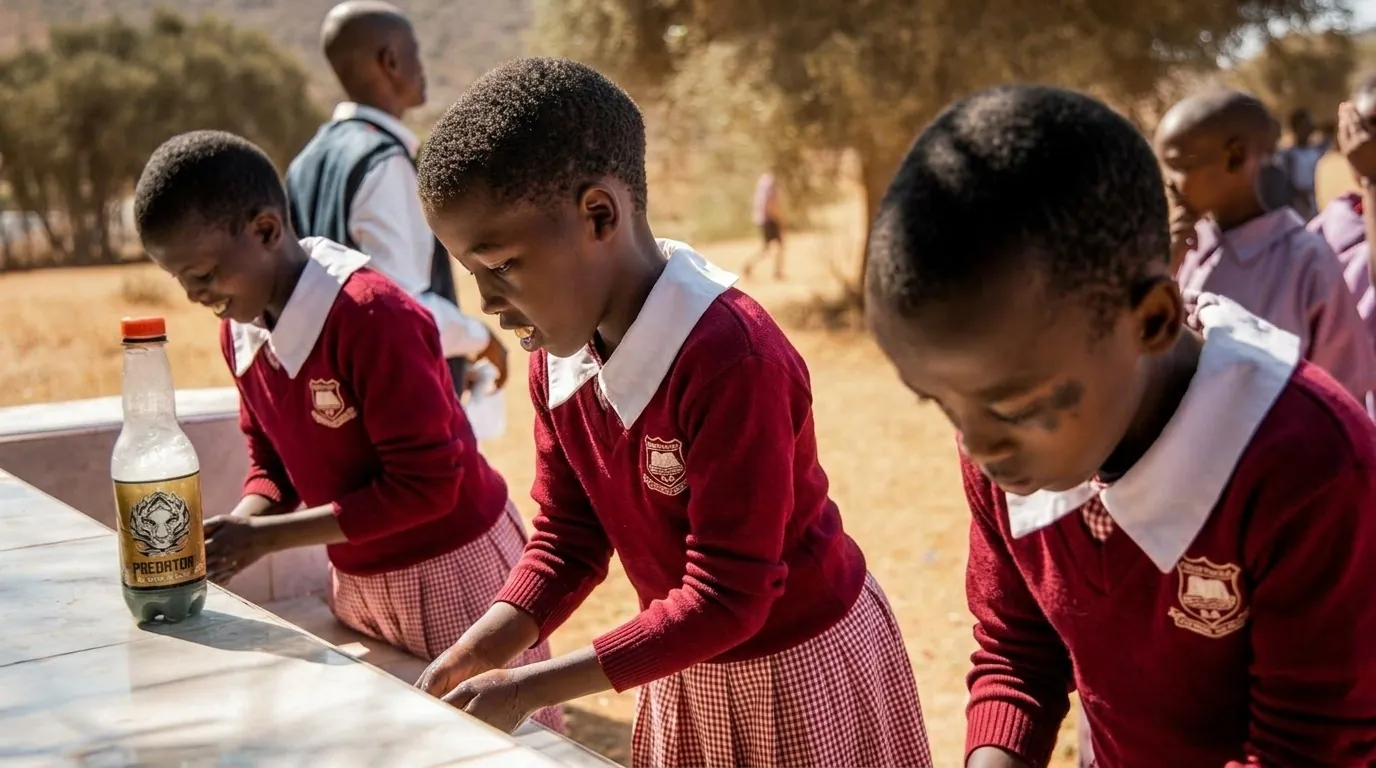
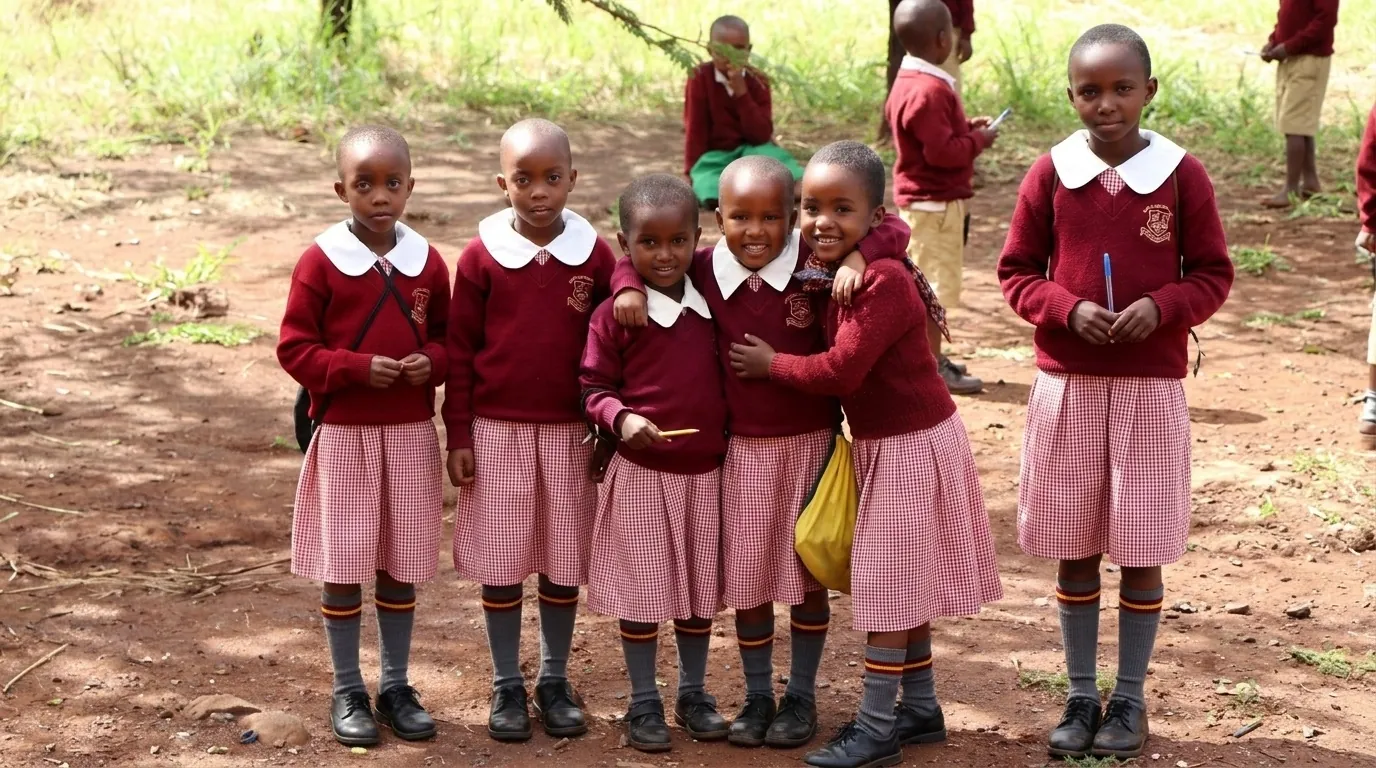
Games, music, drama and art used to be what happened if there was time left. Under the current curriculum they are one of the nine areas a Grade 9 learner is assessed on — and they carry a project. Tap any photograph to open it.
Ask the school
The new system is genuinely confusing, and a parent should not have to read a KICD document to understand what their child is doing on a Tuesday.
The chat has not loaded. If you are running this demo locally, start the KAVRYN server first — see the README in this folder.